
Author name: Gagandeep Singh

Gagandweep Singh has been helping businesses turn marketing spend into measurable revenue since 2001. As co-founder of Banisoft.com, he's spent 25+ years running SEO, paid ads, email automation, and full-funnel strategies for clients across the USA, Canada, and Australia — in industries from law and medical to real estate, SaaS, and ecommerce.He holds certifications from Google, Meta, and HubSpot. He writes about what actually moves the needle — not marketing theory, but the strategies that generate leads, lower acquisition costs, and build businesses that grow.

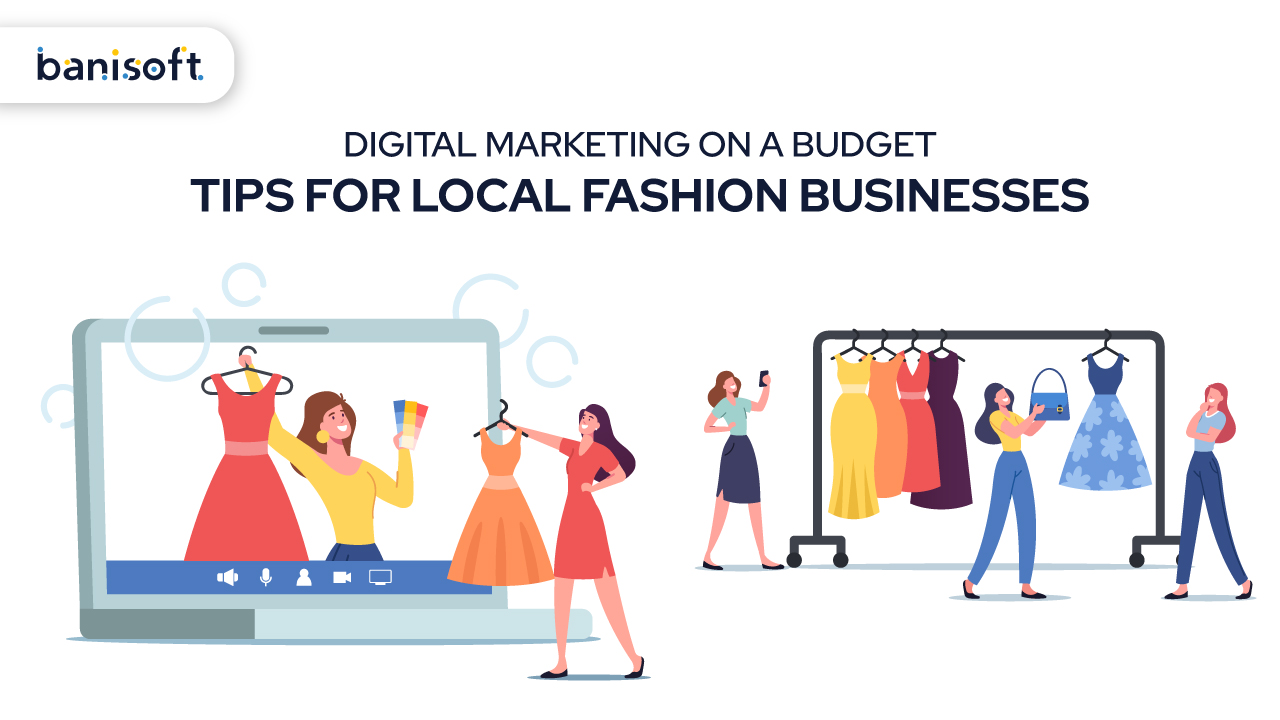
Digital Marketing on a Budget: Tips for Local Fashion Businesses

Digital Marketing on a Budget: Tips for Local Fashion Businesses

Digital Marketing on a Budget: Tips for Local Fashion Businesses

In today’s fast-paced, technology-driven world, is there any doubt that digital marketing reigns supreme? 

Whether you’re a startup or an established enterprise, your audience is online, and that’s where you need to be.

Remember the good old days when a trendy fashion boutique would rely on word of mouth to attract customers? 

Those days are behind us!!!

In an era where consumers and businesses alike are perpetually connected and on the move, you need to meet them where they live – in the digital sphere.

But don’t just take my word for it. Let’s dive into the hard numbers that demonstrate the undeniable power of digital marketing:

The following statistics highlight the dominance of digital marketing in today’s landscape:

  • Market Growth: The global digital advertising and marketing market is expected to reach $667 billion in 2024, with further growth projected to $786.2 billion by 2026.
  • Increased Investment: A large number of businesses are increasing their digital marketing budgets, with 63% having already done so and 94% of small businesses planning to increase spending in 2024.
  • Strong ROI: Organic search is considered the best marketing ROI source by 49% of businesses. Lead generation is a key performance indicator for over 20% of businesses.
  • Shift to Digital: Digital marketing is becoming increasingly dominant, with estimates suggesting it will comprise 60% of overall marketing by the end of 2024. This shift is accompanied by a decline in spending on offline media.
  • Brand Awareness and Search Activity: Digital ads can significantly increase brand awareness (up to 80%), and display ads can lead to a substantial increase in search activity (155%) and a higher likelihood of conversion (59%) when users see a related ad and then search.

Now that you’re aware of the vital importance of digital marketing, let’s dive deeper into this guide, which offers advanced digital marketing strategies specifically designed for local fashion businesses.

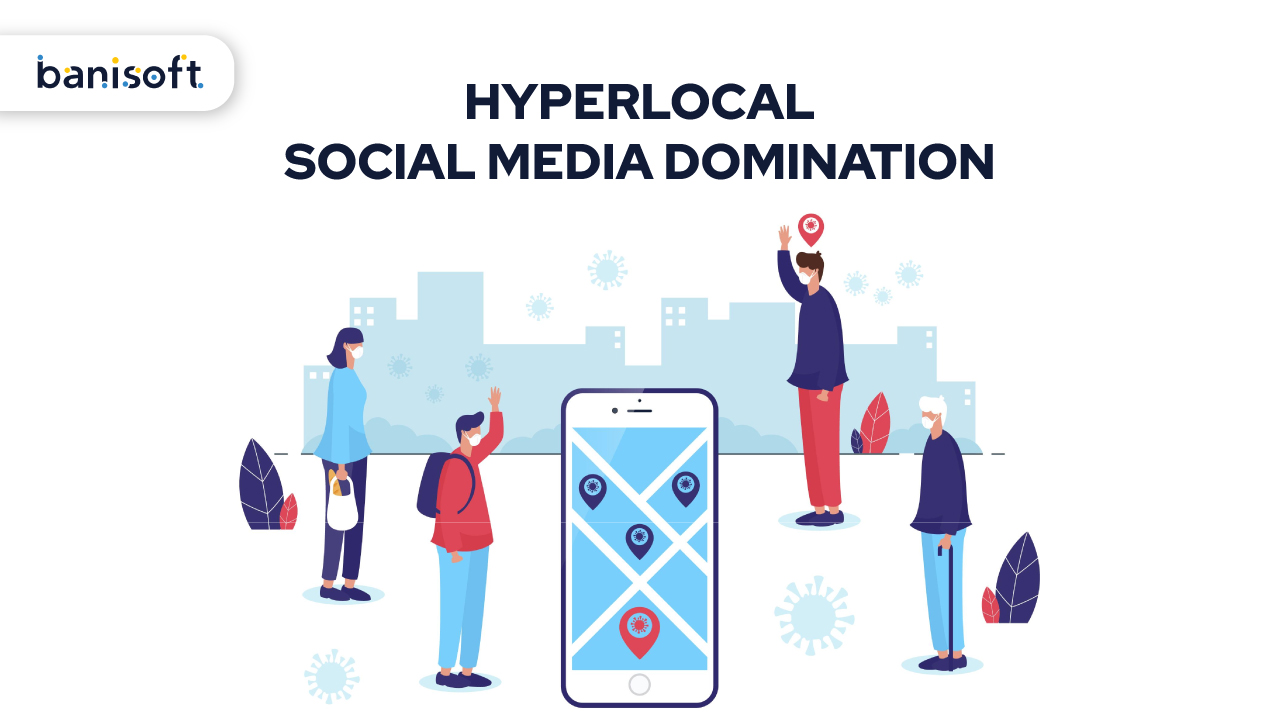
Hyperlocal Social Media Domination

Beyond Basic Posting:

  • Micro-influencer partnerships: This involves collaborating with individuals who have a smaller but highly engaged following on social media (usually within a specific niche or locality). 

    These influencers can help promote your brand to their dedicated audience in a more authentic and relatable way.

    Major brands like Daniel Wellington, Asos, Coca-Cola, and Amazon’s Audible are already leveraging this strategy in 2024.

  • User-generated content campaigns: These campaigns encourage your customers to create and share content related to your brand. 

    This could be photos, videos, or reviews of your products. This strategy helps build trust, authenticity, and community around your brand.

    Lulus: Leveraging UGC on Product Pages Lulus provides a compelling example of how user-generated content (UGC) can drive conversions. The women’s clothing company features fan photos on every product page, alongside product details. 

    This UGC strategy goes beyond traditional reviews. Customers can upload photo reviews, including their size and body type.

    This allows potential buyers to see how the clothing might fit them, enhancing the shopping experience.

  • Live shopping events: These are real-time online events where you showcase and sell your products directly to your audience. 

    This interactive format allows customers to ask questions, see products in action, and make purchases on the spot.

    Aldo, a Canadian footwear retailer, partnered with celebrity stylist Mimi Cuttrell and LA entertainer Nate Wyatt to create a memorable social shopping experience. During the live stream, the duo shared styling tips for various shoes and accessories. 

    The shoppable live stream, hosted in Spring 2021, yielded impressive results. Aldo saw a 308% engagement rate and registered 17,000 pageviews on its website in the five days following the event, demonstrating the power of live shopping in driving online engagement and traffic.

  • Geo-targeted ads: These are digital advertisements that are specifically targeted to users based on their geographic location. 

    This helps you reach the most relevant audience for your business and increase the effectiveness of your ad campaigns. 

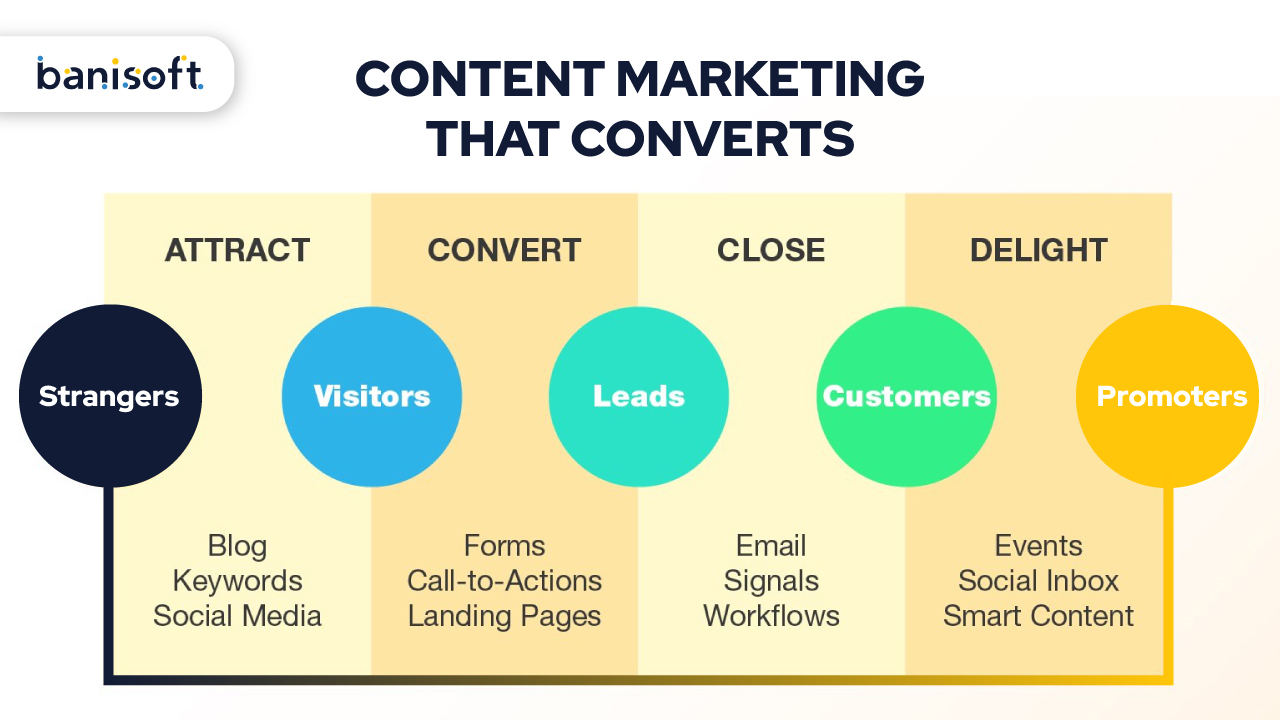
2. Content Marketing That Converts

Content Marketing That Converts

Beyond Blog Posts:

  • Interactive Quizzes: Interactive quizzes are a great way to engage users while also collecting valuable data for personalization. 

    For example, the DTC haircare brand Function of Beauty asks visitors to fill out a quiz about their hair type, goals, and fragrance and color preferences. Based on the responses, the company generates personalized product recommendations.

    A similar approach could be taken for local fashion brands, offering a “Find your perfect Karwa Chauth style” quiz, where users can input their preferences on color, fabric, and style. This helps in generating leads and offering tailored product suggestions based on individual styles.

  • Shoppable Videos: Seamlessly blend content and commerce

    Shoppable videos allow customers to shop directly from the video content, which integrates storytelling and a direct path to purchase. 

    A great example is Swarovski’s campaign, where they used shoppable videos as part of their Instagram Stories content strategy. The video was embedded on a dedicated landing page, and users could click on the products within the video to view more details and add them to their cart. 

    By simplifying the purchase journey, they created a seamless experience: viewers could see a product on Instagram, interact with it in a video, and buy it directly—all within the same interface. 

    For a local fashion business, this could translate into showcasing festival looks, where viewers can directly shop for featured accessories and outfits as they watch.

  • Virtual Styling Sessions: Offer personalized advice via video calls, driving customer loyalty

    Virtual styling sessions create a personal connection with customers by offering tailored advice, making customers feel valued. 

    An example would be a fashion retailer hosting one-on-one video consultations where experts provide style recommendations based on the customer’s preferences and body type. 

    Similar to how Function of Beauty gathers personalized hair care information, a fashion business can use virtual styling to offer individualized fashion guidance, enhancing customer loyalty and creating a unique shopping experience.

  • Behind-the-Scenes Content: Humanize your brand & build authenticity

    Sharing behind-the-scenes content gives customers a glimpse into the making of your brand, fostering a sense of trust and authenticity. 

    For instance, fashion companies could share the design process, sourcing materials, or even day-to-day operations in a fun, casual manner. 

    An example of this is Everlane, a clothing brand known for its transparency, which often shares how and where their products are made. 

    For a local fashion business, this could mean showing the crafting of a particular garment or preparations for a special collection launch, helping customers connect with your brand on a deeper level.

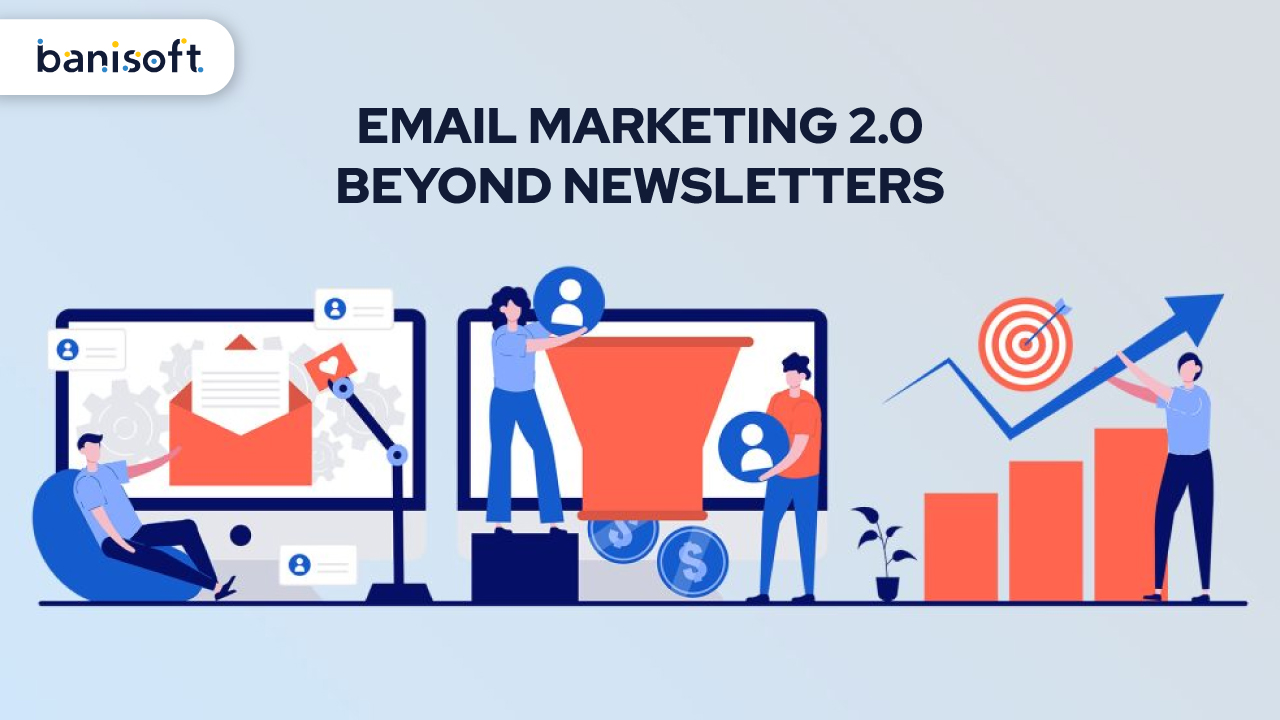
3. Email Marketing 2.0: Beyond Newsletters

Email Marketing 2.0: Beyond Newsletters
  • Hyper-Segmentation: Tailor emails based on purchase history, browsing behavior, etc.

    Hyper-segmentation allows businesses to deliver highly targeted emails by dividing their audience into small, specific segments based on user data like purchase history or browsing behavior. 

    For example, if a customer frequently browses dresses but has not made a purchase, a fashion retailer could send them a personalized email featuring a selection of dresses along with a special discount.

  • Automated Workflows: Welcome series, abandoned cart reminders, post-purchase follow-ups

    Automated workflows help streamline email campaigns by sending triggered emails based on specific actions taken by customers. 

    For instance, when a new customer signs up, a welcome series of emails can introduce them to the brand, showcase bestsellers, and offer a first-time purchase discount. 

    An abandoned cart reminder email can be sent automatically to users who added items to their cart but didn’t complete the purchase, often with a small incentive to finish the transaction. 

  • Dynamic Content: Personalize email content in real-time based on user data.

    Dynamic content changes the email’s visuals and text based on the recipient’s real-time data, such as location, weather, or behavior. 

    For example, a fashion retailer could send an email that updates in real-time to show items on sale based on the recipient’s past purchases or browsing habits. 

    Netflix uses dynamic content in their emails by showing different users personalized show recommendations based on their viewing history, making each email feel tailor-made. Similarly, a fashion brand could show real-time inventory or feature products that align with the recipient’s style preferences.

  • A/B Testing: Constantly optimize subject lines, CTAs, and email design

    A/B testing involves creating two versions of an email and testing them on small groups to determine which performs better, helping businesses optimize future campaigns. 

    For example, a fashion brand could test two subject lines—one with a direct discount offer like “Get 20% Off Today” and another with curiosity-driven text like “Exclusive Sale Inside”—to see which one leads to more openings. 

    Testing different Calls-to-Action (CTAs) or email layouts can also provide insights into what design or wording encourages users to click and convert. 

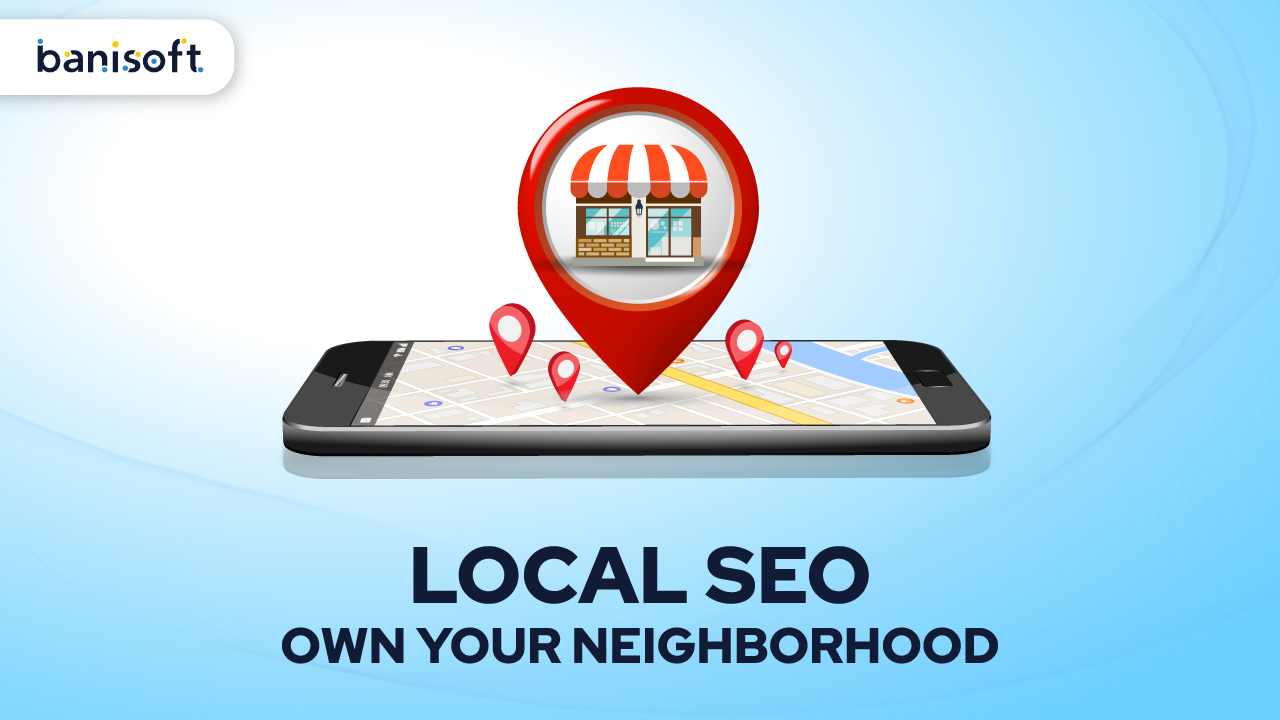
4. Local SEO: Own Your Neighborhood

Local SEO: Own Your Neighborhood

Beyond Google My Business:

  • Voice Search Optimization: Ensure your business appears in local voice search results

    With the rise of voice assistants like Siri and Alexa, optimizing for voice search is crucial. 

    Ensure your business information is clear, accurate, and uses natural language so that when people ask, “Where’s the nearest fashion store?” or “Best boutique near me,” your business comes up. 

    For example, Domino’s Pizza optimized for voice search by allowing customers to order pizza directly through voice commands, increasing convenience.

  • Hyperlocal Content: Blog posts about local events, collaborations with other businesses, etc.

    Create content that speaks directly to your local audience. For example, write a blog post about an upcoming fashion show in your area or collaborate with a neighboring coffee shop to host a joint event. 

    Local fashion stores can cover local fashion trends, highlight nearby shopping spots, or feature collaborations with other local brands, positioning themselves as part of the community.

  • Niche Directories: Get listed in industry-specific or community-focused directories

    Aside from Google, being listed in local or industry-specific directories can improve visibility. For instance, fashion boutiques can be featured in directories like FashionUnited or local business listings that cater to their community. 

    Being present on these niche platforms ensures your store is easily found by those searching for specific products or services.

  • Review Management: Actively monitor & respond to online reviews

    Responding to customer reviews—both good and bad—can boost your reputation and SEO rankings. 

    For example, Yelp reviews are critical for local businesses, as they not only affect customer perception but also SEO. Timely responses show you care about customer feedback, fostering trust and loyalty.

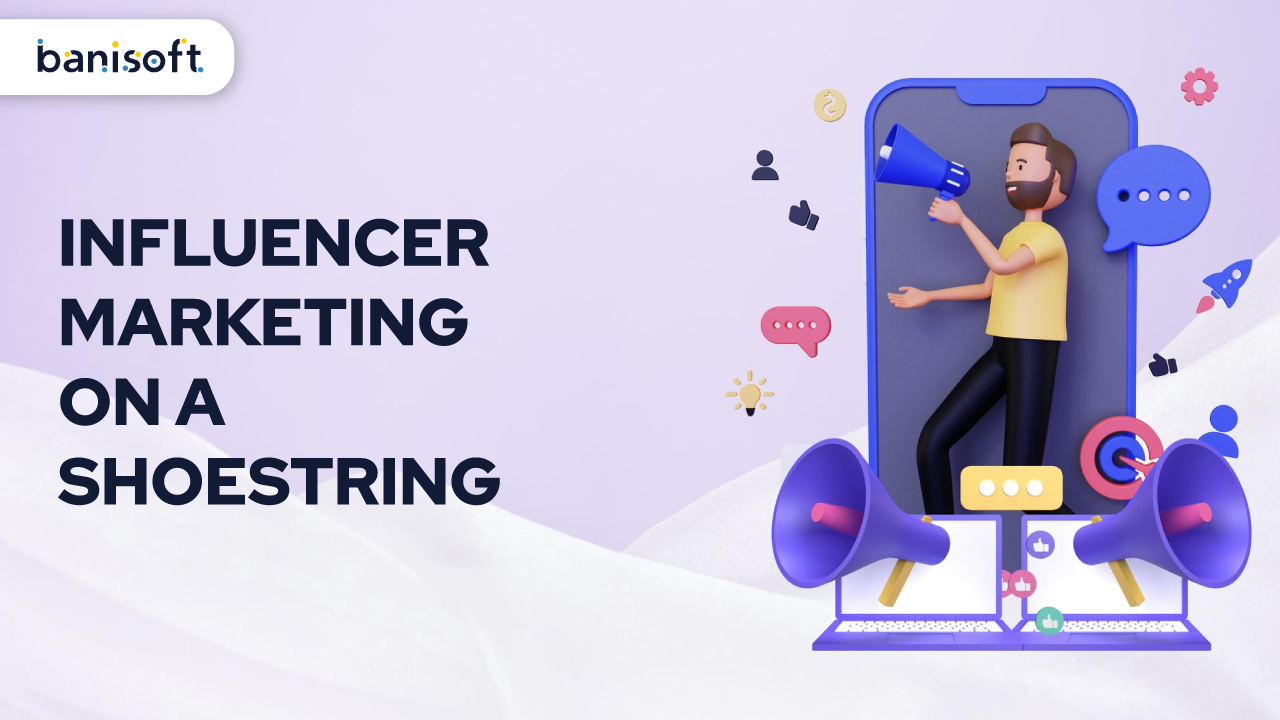
5. Influencer Marketing on a Shoestring

Beyond Big Names:

  • Nano-Influencers: Partner with local individuals with smaller but highly engaged followings

    Nano-influencers (those with 1,000-10,000 followers) may not have massive followings, but their audiences are more engaged and trust their recommendations. 

    For instance, a local fashion boutique could partner with a neighborhood influencer who frequently posts about style. These collaborations often feel more authentic and relatable to the audience. 

    A small fashion store could give a popular local Instagrammer a new outfit, allowing the influencer to showcase it organically.

  • Affiliate Programs: Incentivize customers to promote your products

    Set up an affiliate program where customers earn commissions for promoting your products. 

    For example, Amazon’s affiliate program allows users to promote products and earn a percentage of sales made through their links. Similarly, local businesses can create affiliate links or discount codes for their loyal customers to share with their friends and social media followers.

  • Brand Ambassadors: Cultivate long-term relationships with loyal customers

    Turn your best customers into brand ambassadors by offering them exclusive discounts, early access to new products, or special perks in exchange for promoting your brand. 

    For example, Glossier developed a successful brand ambassador program by empowering everyday customers to share their beauty routines, creating long-lasting brand loyalty and organic marketing.

  • Gifting & Collaborations: Offer products or services in exchange for exposure

    Instead of paying influencers, offer them free products in exchange for exposure. 

    For example, beauty brands often send influencers free products in return for unboxing videos or reviews. 

    A small fashion business could give a local micro-influencer a free outfit, and in return, the influencer could create a social media post or story, showcasing the product to their audience.

Final Words

No matter the size of your business, you can leverage these digital marketing strategies to compete effectively in today’s market.

Ready to elevate your digital presence? Start implementing these tips today and watch your brand grow. 

Need help? Reach out for a free consultation and let’s build your success together!

Digital Marketing on a Budget: Tips for Local Fashion Businesses Read More »

Top 10 Reasons to Outsource Your SEO in 2024

Top 10 Reasons to Outsource Your SEO in 2026

Top 10 Reasons to Outsource Your SEO in 2024

📌  EDITOR’S NOTE — 2026 Update: This article has been fully revised to reflect 2026 SEO realities: AI Overviews, Generative Engine Optimization (GEO), E-E-A-T standards, and agentic search. All original 2024 claims that are no longer accurate have been replaced with current data.

In 2026, succeeding online means navigating a search landscape that has fundamentally changed. Google now answers up to 60% of queries directly through AI Overviews, without a single click to your website. ChatGPT fields over 200 million search queries every day. Perplexity exceeded 500 million monthly queries in late 2025. The era of “10 blue links” is giving way to an era of AI-generated answers — and if your brand is not cited inside those answers, you are invisible to a growing share of your audience.

Keeping up with this shift requires more than a few keyword tweaks. It demands expertise in Generative Engine Optimization (GEO), E-E-A-T signals, entity-based SEO, schema markup, and AI referral tracking. That is precisely why outsourcing SEO to a specialist agency has become even more valuable in 2026 than it was two years ago.

Whether you are a growing business owner or a marketing director managing a lean team, this guide explains exactly why — and how — to outsource your SEO for maximum impact in the AI search era.

Table of Contents

  • What Is SEO Outsourcing?
  • How to Outsource SEO in 2026: A Step-by-Step Guide
  • Top 10 Reasons to Outsource Your SEO in 2026
  • The 2026 SEO Landscape at a Glance (Key Statistics)
  • Frequently Asked Questions

I. What Is SEO Outsourcing?

SEO outsourcing means partnering with an external agency or specialist to manage some or all of your search engine optimization. These professionals bring the tools, daily focus, and up-to-date expertise needed to keep your website visible — both on traditional Google results and inside the AI-generated answers that now dominate search pages.

In 2026, SEO outsourcing covers a broader remit than ever before. Reputable agencies now offer:

  • Technical SEO audits, Core Web Vitals, and crawl optimization
  • Keyword and semantic entity research
  • Content strategy built around E-E-A-T (Experience, Expertise, Authoritativeness, Trustworthiness)
  • Generative Engine Optimization (GEO) — structuring content to be cited in AI Overviews, ChatGPT, and Perplexity
  • Schema markup implementation (FAQPage, HowTo, Organization, Article)
  • Link building and digital PR for domain authority
  • Local SEO and Google Business Profile management
  • AI Share of Voice (AI SOV) tracking and LLM referral traffic analysis

You can outsource all of these services or select only the areas where your team needs reinforcement.

II. How to Outsource SEO in 2026: A Step-by-Step Guide

Outsourcing SEO does not have to be complicated. Follow these seven steps to find the right partner and get results quickly.

Step 1 — Define Goals That Reflect 2026 Realities

Traditional goals like “rank on page one” remain valid, but they are no longer the full picture. In 2026, also define goals around:

  • Appearing in Google AI Overviews for your core topics
  • Being cited by ChatGPT or Perplexity when users ask questions in your niche
  • Improving AI Share of Voice (how often your brand appears in AI-generated results)
  • Increasing LLM referral traffic (measurable in GA4 as a distinct segment)

Step 2 — Assess Your Needs Honestly

Identify your biggest gaps. Do you have solid content but weak technical SEO? Do you rank on Google but are invisible in AI Overviews? Is your E-E-A-T signalling poor because your content lacks author credentials and first-hand experience? Answering these questions helps you brief a potential partner precisely.

Step 3 — Research Potential Partners

Look for agencies with demonstrable experience in both traditional SEO and GEO. Ask to see case studies that include AI visibility metrics, not just keyword rankings. Check that they stay current: an agency still pitching 2022-era tactics in 2026 is a red flag.

Step 4 — Evaluate Proposals Rigorously

A quality proposal in 2026 should include a content strategy that addresses E-E-A-T, a GEO plan for AI search visibility, a technical audit roadmap, and clear KPIs beyond keyword positions. Reject any proposal that promises overnight results or avoids discussing AI search altogether.

Step 5 — Ask the Right Questions

  • How do you structure content to appear in Google AI Overviews?
  • How do you measure AI Share of Voice and LLM referral traffic?
  • What schema types do you implement and why?
  • How do you build E-E-A-T signals for a business like mine?
  • How do you handle Google core updates, and what was your client impact in 2025?
  • Can you share examples of content you have had cited in ChatGPT or Perplexity?

Step 6 — Start With a Defined Scope

If you are new to outsourcing, begin with a technical SEO audit or a 90-day GEO sprint. This gives you a concrete deliverable to evaluate quality and communication before committing to a longer engagement.

Step 7 — Monitor the Right Metrics

Beyond rank tracking, monitor: organic click-through rate trends (AI Overviews can reduce CTR by an average of 34.5% on top results), branded search volume, LLM referral sessions in GA4, and AI SOV for your core topics. Adjust strategy quarterly based on these signals.

III. Top 10 Reasons to Outsource Your SEO in 2026

The case for outsourcing has grown stronger, not weaker, as search has become more complex. Here are the ten most compelling reasons.

1. Navigate the AI Search Revolution Without Getting Left Behind

The single biggest shift in search since Google’s founding is underway right now. Google AI Overviews appear on roughly 26% of queries today and are expanding into commercial and transactional searches. ChatGPT now accounts for approximately 20% of search-related traffic worldwide. Perplexity, Claude, and Bing Copilot are taking additional share.

Optimizing for this new landscape — often called Generative Engine Optimization or GEO — requires a different skill set than traditional SEO. Research shows that 44.2% of LLM citations come from the first 30% of an article, meaning content structure itself determines AI visibility. Specialist SEO agencies are building these skills daily. Most in-house teams are still catching up.

2. Reclaim Time for High-Value Work

SEO in 2026 is not a weekly task — it is a continuous discipline. Between monitoring AI Overview appearances, updating schema markup, tracking algorithm changes, building topical authority through content clusters, and managing link acquisition, a thorough SEO programme easily consumes 20–40 hours per month at the specialist level.

Outsourcing hands that workload to professionals and frees your team to focus on product development, client relationships, and strategy — activities where your unique knowledge creates irreplaceable value.

3. Access Genuine E-E-A-T Expertise

Google’s E-E-A-T framework — Experience, Expertise, Authoritativeness, and Trustworthiness — has moved from a quality guideline to a functional ranking filter. Content that lacks clear human expertise, verifiable credentials, and first-hand experience is increasingly deprioritized, regardless of how well it is technically optimized.

A specialist agency understands how to build E-E-A-T signals: author bios with verifiable credentials, expert quotes and citations, original research, case studies with real outcomes, and a brand presence across trusted third-party platforms. This is one area where generic in-house content production consistently falls short.

4. Cost-Effective Access to a Full Specialist Team

Hiring a full-time SEO specialist in India costs roughly ₹5–8 lakhs per annum at the junior-to-mid level — and that individual will not cover technical SEO, content strategy, link building, GEO, and analytics all at once. A senior specialist with GEO expertise commands considerably more.

An outsourced agency gives you a team that collectively covers all of these disciplines for a predictable monthly retainer. You pay for outcomes, not overhead. There are no recruitment costs, training periods, or capability gaps during team transitions.

5. Structured Data and Schema Markup Done Right

FAQPage schema adoption is rising sharply in 2026 because AI search systems heavily cite FAQ-formatted content in their outputs. HowTo, Article, Organization, and Product schema are equally critical for appearing in rich results and AI-generated answers.

Implementing schema correctly requires both technical precision and strategic judgment about which markup types serve your content goals. Errors in schema implementation can cause rich result eligibility to be revoked. Experienced SEO agencies handle this as a standard service — most in-house marketers treat it as an afterthought.

6. Build Topical Authority That AI Models Trust

AI systems — including the retrieval-augmented generation (RAG) systems that power Google AI Overviews and ChatGPT — prefer sources that demonstrate deep, consistent coverage of a topic. A single well-written page is not enough. You need a structured content ecosystem: pillar pages, supporting cluster articles, internal linking that signals topic relationships, and consistent publication cadence.

Agencies build and execute these content architectures as a core service. They also understand that brands are 6.5 times more likely to be cited in AI results through third-party sources than through their own domains — which means off-site brand mentions, digital PR, and community presence (Reddit, LinkedIn, industry forums) are now direct SEO inputs, not optional extras.

7. Stay Ahead of Algorithm and AI Platform Updates

In the past 18 months alone, Google has launched multiple core updates, rolled out AI Overviews globally, introduced AI Mode, and made significant changes to how it evaluates E-E-A-T. Meanwhile, ChatGPT, Perplexity, and Gemini have each updated their citation behaviour multiple times — one analysis found Gemini’s citation rate dropped from 99% to 76% in a single month.

Keeping pace with this rate of change is a full-time job. Specialist agencies track these updates in real time, adapt strategies proactively, and protect their clients from traffic loss when algorithm shifts occur. An in-house team managing SEO part-time alongside other responsibilities will almost always react too late.

8. Access to Enterprise-Grade Tools and Proprietary Data

Leading SEO agencies invest in tools that most businesses cannot justify individually: Semrush’s AI Search toolkit, BrightEdge for AI Overview tracking, Ahrefs or Majestic for link intelligence, Screaming Frog for technical audits, and emerging platforms that track AI Share of Voice across ChatGPT, Perplexity, and Gemini.

Beyond software, top agencies build proprietary benchmarks from working across multiple clients and industries. They know what citation rates look like for your sector, what content formats AI models prefer, and which technical configurations consistently improve AI visibility. That institutional knowledge cannot be replicated by an in-house team with standard tooling.

9. Protect Your Brand With White-Hat, Future-Proof Practices

Google’s systems have become significantly more effective at identifying manipulative tactics: keyword stuffing, low-quality link schemes, AI-generated content without human expertise, and thin content repurposed across pages. Penalties from these practices can take months to recover from.

A reputable agency follows Google’s guidelines precisely, builds authority through legitimate editorial links and digital PR, and ensures that your content consistently demonstrates the human expertise that both Google and AI models require. This protects your domain authority as a long-term asset.

10. Get an Objective, Data-Driven Perspective

When you are close to your own website and industry, it is easy to miss the opportunities that an outside expert spots immediately: keyword gaps your competitors are exploiting, structural issues suppressing your rankings, content formats that AI models prefer but you are not using, or local search signals you have not activated.

An experienced SEO partner audits your digital presence with fresh eyes, benchmarks you against your competitive set, and identifies the specific actions that will move the needle fastest. That objectivity, combined with accountability to measurable outcomes, is among the most underrated benefits of outsourcing.

IV. The 2026 SEO Landscape at a Glance

These statistics illustrate why the shift to AI-aware SEO outsourcing is urgent, not optional.

MetricData Point
Zero-click searches (Google)Approximately 60% of all Google searches
AI Overviews CTR impactReduces organic clicks on top results by avg. 34.5%
ChatGPT daily queries200+ million
Google AI Overviews users1.5 billion monthly
LLM citations – first 30% of text44.2% of all citations come from the article introduction
Brand citation via 3rd-party sources6.5x more likely than citation from own domain
AI tools adoption (B2B)58% of B2B businesses use AI tools for SEO
80% of B2B buyersTrust generative AI as much as traditional search when researching suppliers
AI SOV new metricHow often your brand appears in AI-generated results (replacing rank-only tracking)

Sources: Position Digital (April 2026), Search Engine Land (January 2026), Evergreen Media (April 2026), Brosch Digital (February 2026), SEO.com (March 2026), DemandSage (2026).

Conclusion

Outsourcing your SEO in 2026 is a strategic decision that goes far beyond saving time or reducing cost — though it delivers both. The search landscape has been fundamentally restructured by AI, and the expertise required to remain visible across Google, ChatGPT, Perplexity, and emerging AI agents is genuinely specialist work.

The businesses gaining market share right now are those publishing original, expert-backed content structured for AI citation, building topical authority across interconnected content clusters, earning brand mentions on authoritative third-party platforms, and tracking AI Share of Voice alongside traditional SEO metrics. An experienced outsourced SEO partner makes all of this executable without stretching your internal team.

If your current SEO efforts are not delivering visibility inside AI-generated search results, the gap will only widen. The right time to act is now.

Frequently Asked Questions

(Structured for FAQPage schema implementation)

What is SEO outsourcing?

SEO outsourcing means hiring an external agency or specialist to manage your search engine optimization. This includes technical audits, content strategy, link building, schema markup, and — increasingly in 2026 — Generative Engine Optimization (GEO) to ensure your brand appears in AI-generated search results from Google, ChatGPT, and Perplexity.

Why should I outsource SEO in 2026 specifically?

Because the SEO landscape has changed more in the past 18 months than in the previous decade. AI Overviews, GEO, E-E-A-T enforcement, and agentic search require a breadth of specialist expertise that is impractical for most in-house teams to develop and maintain. Outsourcing gives you immediate access to teams who work on these challenges daily.

How much does outsourcing SEO cost in India?

Indian SEO agencies typically offer retainer packages ranging from ₹20,000–₹2,00,000 per month depending on scope, agency size, and whether GEO services are included. This compares favourably to the cost of hiring even a single mid-level in-house SEO specialist, without the overhead of benefits, tools, or training.

What is GEO and why does it matter for my business?

Generative Engine Optimization (GEO) is the practice of structuring and positioning your content so that AI systems — including Google AI Overviews, ChatGPT, and Perplexity — cite it when answering user questions. Since roughly 60% of Google searches now result in zero clicks to external websites, being cited in AI-generated answers is increasingly the primary measure of search visibility.

How do I know if an SEO agency understands AI search?

Ask them specifically about their GEO methodology, how they track AI Share of Voice, what schema types they implement, and whether they can show examples of client content appearing in AI Overviews or LLM citations. An agency that focuses solely on keyword rankings and ignores AI search metrics is operating with an outdated playbook.

How long before I see results from outsourced SEO?

Technical improvements and schema implementation can show results within 4–8 weeks. Content-driven authority building and GEO visibility typically take 3–6 months to produce measurable results. Sustainable, compounding improvements to domain authority and AI Share of Voice are generally a 6–12 month trajectory. Agencies promising faster results should be asked for specific, verifiable examples.

Top 10 Reasons to Outsource Your SEO in 2026 Read More »

Scroll to Top